
The Role of Luck in Gambling
Luck plays an undeniable role in gambling, often serving as a key factor in the outcomes of various games. In games of chance, such as slot machines and roulette, the reliance on random number generation leaves little to no room for strategy. This unpredictability creates an environment where participants often feel that their success or failure is fundamentally tied to luck. For those interested in exploring this further, the concept of luck allows players to attach a sense of hope to their participation in these games, as the thrill of winning can hinge on sheer coincidence rather than skill, especially when considering popular options like online casino australia where this randomness is prevalent. This randomness is what draws many to gambling, as every spin or card drawn carries the potential for a life-changing outcome.
Moreover, even in games where skill is paramount, like poker, luck still plays a significant part. Players can make all the right decisions based on their knowledge of the game, yet unexpected cards drawn can lead to surprising outcomes. A skilled poker player may calculate odds and bluff effectively, but the draw of the next card can overshadow even the best strategies. Here, luck can temporarily overshadow skill, reminding participants that despite their expertise, fortune can shift the balance at any moment. This dynamic illustrates the complex interplay between skill and luck in gambling, emphasizing that while one may hone their abilities, the element of chance remains a powerful influencer.
This reliance on luck has led to various superstitions and rituals among gamblers. Many believe that specific behaviors or items can bring them good fortune, such as wearing a particular clothing item or using a “lucky” chip. These beliefs reflect the psychological aspect of gambling, where players seek to gain any possible edge, no matter how illogical it may seem. The rituals can range from touching a certain object before placing a bet to avoiding specific numbers deemed unlucky. Ultimately, while skill and strategy can enhance a player’s chance of success, the random nature of luck remains an influential component, shaping the gambling experience.
The Psychological Effects of Luck
The psychological impact of luck on gambling cannot be overstated. Players often experience a range of emotions, from elation to frustration, which can greatly influence their overall gambling habits. When a player wins, it can reinforce the belief in their own luck, leading to further gambling as they chase that high. This cycle can become a double-edged sword, where initial successes encourage more play, while continued losses may lead to the belief that their luck has run out. Understanding these psychological patterns is crucial for any gambler aiming for long-term success, as they can significantly affect both their enjoyment and their financial outcomes.
Moreover, the concept of “luck” can affect decision-making during gambling sessions. For instance, a player who feels lucky may take riskier bets, believing that fortune is on their side. This heightened sense of confidence can lead to a gambling pattern that prioritizes thrill over rational decision-making. Conversely, a player who has experienced a string of bad luck may play conservatively, possibly missing out on beneficial opportunities that could arise if they were more open to risk. This interplay between perceived luck and behavior can significantly impact overall outcomes, illustrating that mindset shapes the gambling experience as much as the games themselves.
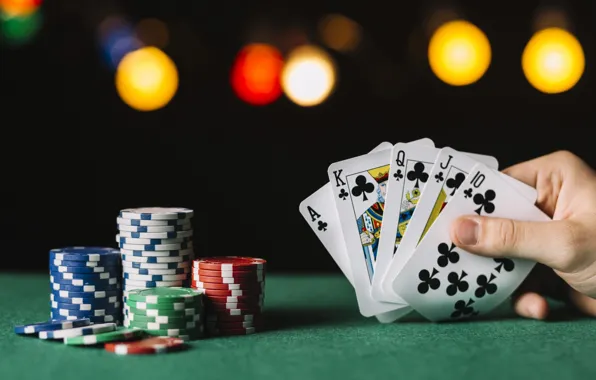
Furthermore, the belief in luck can create a sense of community among gamblers, where individuals share their experiences and stories of their “lucky” moments. This shared belief system can foster camaraderie, enhancing the social aspect of gambling. However, it can also lead to unhealthy habits if players begin to chase losses in the hope of regaining their perceived luck. Awareness of these psychological dynamics is essential for responsible gambling, allowing individuals to enjoy the thrill of the game without becoming overly reliant on luck for their success. Recognizing when luck is on your side versus when it’s simply a game of chance can help maintain a balanced approach.
Strategies to Counteract Luck
While luck remains a predominant factor in gambling, adopting strategic approaches can help players mitigate its effects and possibly enhance their chances of success. One effective strategy is to focus on games with a lower house edge, such as blackjack or poker, where skill and strategy can significantly influence outcomes. By learning the intricacies of these games, players can make informed decisions that might outweigh the randomness of luck. For instance, understanding the basic strategy in blackjack can reduce the house edge and increase the likelihood of winning over time, thereby increasing their overall success rate.
Additionally, setting strict limits and managing bankrolls effectively can further help counteract the unpredictable nature of luck. Players who establish budgets and adhere to them are less likely to chase after losses fueled by the hope of a lucky turnaround. This disciplined approach can safeguard against emotional decision-making that often arises from a belief in good or bad luck. Understanding when to walk away is vital in maintaining a healthy gambling experience, balancing the thrill with responsibility. It’s essential to recognize that chasing losses can lead to significant financial harm and diminish the enjoyment of the game.
Moreover, continuous learning and improvement in gambling skills can create a more skillful player, thus reducing the reliance on luck. Attending workshops, reading books, and practicing in lower-stakes environments can build expertise over time. By developing a deeper understanding of game mechanics and strategies, players can better navigate the uncertainties of luck. While luck will always play its part, informed decisions grounded in knowledge can lead to more favorable outcomes, underscoring the importance of skill development in the face of chance. Players who invest time in honing their skills are likely to find a more rewarding gambling experience.
The Influence of Environment on Perceived Luck
The environment where gambling takes place can also significantly affect the perception of luck. Many gamblers believe that the atmosphere of a casino, complete with bright lights and sounds of excitement, can enhance their luck. This sensory stimulation can create a euphoric feeling that leads players to take chances they wouldn’t normally take, driven by the belief that luck thrives in lively surroundings. This connection between environment and perceived luck is crucial, as it highlights how external factors can shape one’s mindset and confidence in their luck. The ambiance of a casino can amplify emotions, making wins feel more substantial and losses less impactful.

Furthermore, the presence of other players can also influence an individual’s sense of luck. In social gambling environments, such as poker games, the shared emotions and collective energy can create a belief in a communal “luck.” This social aspect can encourage players to engage more deeply, enhancing their enjoyment and sense of possibility, even though luck remains an unpredictable element. The camaraderie formed in these spaces can add to the thrill, although it’s essential to remember that luck is not something that can be universally cultivated within a group. The shared experiences can foster a sense of belonging, but each individual’s luck is still ultimately personal.
Additionally, the design and layout of modern casinos often aim to create a sense of luck and winning potential. By using optical illusions and strategic placement of games, casinos can manipulate perceptions, making players feel that luck is always just a bet away. This designed environment can contribute to the psychological factors at play, enhancing the user experience while simultaneously reminding players to maintain a critical perspective regarding luck’s true nature in gambling. Understanding how the casino environment influences behavior can help players remain grounded and make more rational decisions, reducing the sway of perceived luck.
Understanding Your Gambling Habits
Recognizing your gambling habits is crucial in addressing the role luck plays in your success. Awareness of how much weight you place on luck versus skill in your betting decisions can provide valuable insights into your gambling behavior. It’s essential to take time to reflect on past experiences and analyze whether victories were truly due to skill or a fortunate twist of fate. This self-awareness can help develop a more balanced approach to gambling, combining both strategy and acceptance of luck’s role. By understanding your patterns, you can identify when luck is a factor and when strategic decisions are leading to success.
Moreover, evaluating emotional responses to wins and losses can deepen your understanding of how much luck influences your experience. Are you prone to feeling invincible after a win, attributing your success solely to luck, or do you take time to consider the strategies that contributed to your victory? Reflecting on these feelings can help you craft a healthier gambling mindset that acknowledges both elements. This balanced perspective can lead to greater enjoyment and sustainability in your gambling habits, as you learn to appreciate the thrill without letting luck dictate your experience.
Furthermore, seeking resources or support groups can enhance your understanding of gambling behaviors. By engaging with others who share similar experiences, you can gain new insights and strategies that blend skill and luck effectively. Online forums, local meetups, or even professional counseling can provide support and guidance. Ultimately, developing a comprehensive understanding of your gambling habits can lead to improved decision-making, allowing you to navigate the complexities of luck and skill in the gambling landscape. By fostering a community of understanding, you can enhance your overall gambling experience.